01 / Introduction
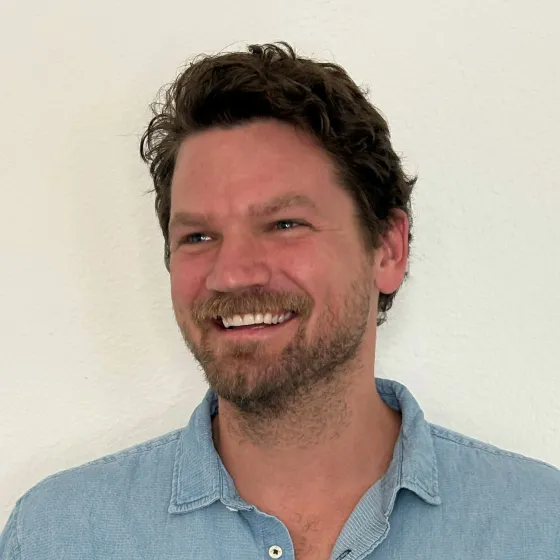
Hi, I’m Kevin.
Billiam is my consulting practice. I’m a software developer and fractional CTO, and I work directly with the businesses that hire me.
I’ve spent more than fifteen years building software and leading engineering teams, including healthcare systems in Lesotho and Nigeria, logistics software, publishing, and AI in Austin, Los Angeles, Minneapolis and beyond.
Unfortunately for my business positioning, I have two very different types of engagements. Reach out if you're interested in one or the other!
For CTOs and engineering teams
I pair with product engineering teams at software companies to launch agentic workflows into production. These teams are usually very good at what they do but have had few chances to get agents in front of users. Engagements typically last two to five months and focus on provider-agnostic agentic systems that work across channels like voice, email, SMS, and web chat.
For small business owners and nonprofits
I work directly with owners of smaller businesses, usually by referral. We smooth out all kinds of tech, typically by modernizing legacy systems and websites that are important to day-to-day work.
How we get started
02 / Working together- Free intro call · 25 minutes.
- Tell me what you’re trying to get done and how things work today. We’ll figure out whether I can help and where to start.
- Engineering teams start with a pilot.
- We choose one agentic workflow and agree on what the pilot needs to do. I pair with your engineers to build it, then we test it with real requests before deciding whether to roll it out more widely.
- Small businesses and nonprofits start with what they rely on.
- We look at the software or website you use today and what’s getting in the way. If we need a closer look before pricing the work, I offer a fixed-price review with findings, priorities, and a plan you can use.
- We agree on the scope before work begins.
- For each phase, we agree on what I’ll deliver, what it’ll cost, and how we’ll know it’s done.
Some of my work
03 / Experience- Tribe AIApplied AI & orchestration
- Led the orchestration work on a large-scale multimodal chatbot during a five-month engagement.
- Inflection AIInternal agentic systems
- Built internal AI agents at a foundation model company while tool-calling APIs were still taking shape.
- VFlotaFleet operations & AI assistant
- Built a fleet management platform with an assistant that drivers can reach in the app or on WhatsApp to check weekly reports and expenses, manage tasks, and draft messages to their fleet manager.
- Focus-group operationsCTO & applied AI
- Modernized a manual legal focus-group process into a custom platform with AI tools that help lawyers evaluate cases and explore possible outcomes.
- Textbook MediaPublishing operations
- Overhauling the legacy systems behind an established publishing business on BigCommerce, connecting commerce, fulfillment, and internal operations.
- Partners In HealthLong-term system development
- Continuing to modernize a system I originally built twelve years ago. Sixteen people use it in their daily work. The interface stays familiar while the underlying software gets faster and supports work both online and offline.
- Content publisherCustom commerce & delivery
- Helping a publisher move from Zoom and email to a custom e-commerce system that generates a personalized PDF for each customer.
- BlueCargoExisting software takeover
- Helped turn contractor-built software into a system a growing engineering team could maintain and improve.
Frequently asked questions
04 / QuestionsFor CTOs and engineering teams
How do you work with our engineering team?
I work alongside your product engineers and write code with them. Often I own the orchestration layer while your team builds or reviews the tools and API endpoints.
What do we build first?
We pick one recurring workflow, one input channel, and a small set of requests the agent should handle. The first milestone is a working pilot your team can try with real requests. What we learn there helps us decide what to expand before a wider rollout.
How do you keep an agent from making the wrong change?
Evals (evaluation sets, aka our golden list of examples) are sort of this chicken and the egg problem where we want a list of things the system can accomplish but can't know in advance what it's truly good at. So that's where we spend most of the time working.
Can we start with one channel and add more later?
Yes. We start with the channel where the work already happens and keep the workflow and tools separate from the channel. That lets us add voice, email, SMS, or web chat in phases while reusing the parts that decide what the agent can do.
How much do we have to commit up front?
I like to start with a tightly scoped first phase and a clear outcome your team can judge. After the first month, we review what we’ve built, what we’ve learned from real requests, and whether it’s worth continuing. If we decide to roll it out more widely, we agree on that scope together.
Why you and not an agency?
The engineer you interview is the engineer who writes the code. You can see how I think through your problem before you hire me. I work directly with your team, so there are fewer handoffs and more of your budget goes to engineering.
For small business owners and nonprofits
Can you work with what we already have?
That’s where we start. We look at the code, database, hosting, and how your team uses the system. I’ll explain what I can take on, what we can keep, and where a replacement may be worth considering.
What if the original developer is gone?
You don’t need to have all the technical answers. Start with whatever access and documentation you have. We’ll identify what’s missing and whether we can get enough access to do the work before committing to an implementation.
Can we keep using the system during the upgrade?
We plan the changes around daily operations. Depending on the system, that can mean testing changes separately, moving data in stages, and agreeing on any downtime and a recovery plan before a switch.
Do we have to replace everything?
No. We start with the problem you want to solve and keep what still works. An upgrade might be a new feature, a connection between systems, or replacing one fragile part.
What kinds of businesses do you work with?
Established small and mid-sized businesses that rely on custom software or an old database. My work spans publishing, healthcare, logistics, and other industries.
How do we communicate?
You work directly with me. Day-to-day communication happens over email, with weekly progress updates during implementation and calls when we need to work through a decision. I document how the system works and why we make changes.
What happens after the project?
We agree on handover and post-launch fixes as part of the scope. Ongoing maintenance, further projects, or fractional CTO support can be arranged separately. This is not a 24/7 support service; critical systems need an agreed support plan.
Who owns the software?
You own the code, accounts, and data. Documentation is part of the work, so another developer can pick it up if we stop working together.
05 / Contact
What are you working on?
If you lead an engineering team, tell me about the agentic workflow you want to get into production. If you run a small business or nonprofit, tell me about the software or website you rely on and what you’d like to improve.
We can talk it through on a free 25-minute intro call.
Thanks for your message.
A confirmation email is on its way to you.
Prefer email? Write to kevin@billiam.co.
Kevin